Buy bilder-hosting.eu ?
We are moving the project
bilder-hosting.eu .
Are you interested in purchasing the domain
bilder-hosting.eu ?
domain@kv-gmbh.de · 0541-91531010
Buy bilder-hosting.eu ?
Are those healthy budgie beaks?
It is difficult to determine the health of the budgie beaks without a closer examination. Healthy budgie beaks are typically smooth, well-shaped, and free from any discoloration or deformities. If the beaks appear overgrown, discolored, or have any signs of damage, it may indicate a health issue that requires attention from a veterinarian. Regular monitoring and providing appropriate toys and perches for chewing can help maintain the health of budgie beaks. **
Do my budgerigars have cracks in their beaks?
It is not uncommon for budgerigars to have small cracks or imperfections in their beaks. This can be caused by a variety of factors such as diet, genetics, or environmental conditions. However, if the cracks appear to be deep, causing bleeding or affecting the bird's ability to eat or groom itself, it is important to consult a veterinarian for proper treatment. Regular monitoring of your budgerigars' beaks and providing a balanced diet can help prevent and manage any issues with their beaks. **

Similar search terms for Beaks
Top-Angebote
Products related to Beaks:
-
Lenox Hosting The Holidays Bread TrayWhether presenting an assortment of rolls or a buttery log of Texas toast, this festive ceramic Hosting the Holidays Bread Tray will not disappoint. The tray features a holly motif and is accented with 24-karat gold.44,49 $*Shipping: 0,00 $Secure redirect to the provider
-
Scholastic Share Black Stories: Picture Book ProfilesThese three stories are tales of hope, courage, and inspiration.This set includes:Bessie the Motorcycle QueenI Am Ruby BridgesJust Like Jesse Owens Share Black Stories: Picture Book Profiles47,57 $*Shipping: 0,00 $Secure redirect to the provider
-
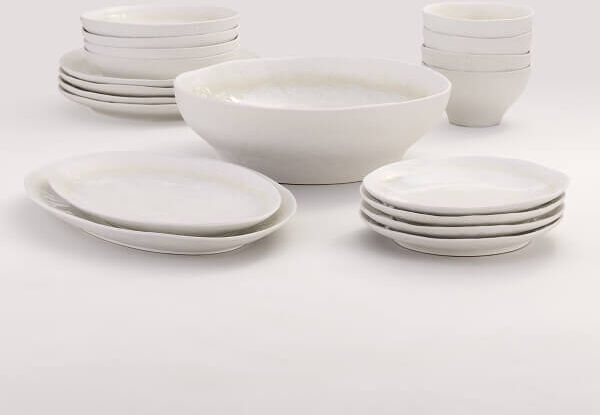
Stellar Stoneware Bantham Hosting For 4 SetIntroduce calm, contemporary style to your table with the Stellar Stoneware Bantham collection. Defined by smooth, modern contours and a soft green reactive glaze, each piece brings a fresh, artisan-inspired feel to everyday dining. Crafted from durable stoneware and fired for exceptional strength, the range offers excellent resistance to chipping and everyday wear. The naturally smooth glazed finish resists staining, cleans with ease, and provides a reassuringly balanced feel in hand. Its thick stoneware construction also enhances heat retention, helping dishes stay warmer for longer. Designed for modern living, every piece is microwave, dishwasher, and oven safe (up to 180°C), making the collection as practical as it is elegant—ideal for both daily use and relaxed entertaining. Set includes: 4 dinner plates, 4 side plates, 4x pasta bowls, 4 cereal bowls, 1x medium platter, 1x large platter and 1x serving bowl.199,95 £*Shipping: 0,00 £Secure redirect to the provider




-
How do budgerigars make sounds with their beaks?
Budgerigars, also known as budgies, make sounds with their beaks by grinding their upper and lower beaks together. This action creates a soft, chattering sound that is often used as a form of communication between budgies. Additionally, budgies can also produce a variety of vocalizations, including chirps, whistles, and squawks, by using their syrinx, a vocal organ located at the base of their trachea. These vocalizations are used for various purposes, such as attracting a mate, warning of danger, or expressing contentment. **
-
Why do birds move their beaks so jerkily?
Birds move their beaks jerkily because it allows them to quickly and accurately capture prey, such as insects or small fish. This rapid movement helps them to snatch their prey with precision and speed, making it easier for them to catch their food. Additionally, the jerky movement of their beaks may also help birds to break open seeds or nuts, allowing them to access the nutritious contents inside. Overall, the jerky movement of their beaks is an adaptation that helps birds to efficiently feed and survive in their natural environment. **
-
What is special about the beaks of the Darwin's finches?
The beaks of Darwin's finches are special because they have evolved to be different shapes and sizes in order to adapt to different food sources. This is a classic example of adaptive radiation, where a single ancestral species diversifies into multiple species with different ecological roles. The beak shapes of the finches allow them to access different types of food, such as seeds, insects, or nectar, depending on the specific environmental conditions of their habitat. This variation in beak morphology has allowed the finches to successfully exploit a wide range of ecological niches in the Galápagos Islands. **
-
Why do tits peck at the window with their beaks?
Tits may peck at windows for a few reasons. They may see their reflection and mistake it for a rival bird, leading them to peck at the window in an attempt to drive the "intruder" away. Additionally, they may be trying to access insects or other food that they see on the other side of the window. In some cases, they may also be trying to build a nest or find a suitable nesting site. It's important to try to deter this behavior, as it can be harmful to the birds and may also damage the window. **

What do the beaks and feet of birds have to do with their food?
The beaks and feet of birds are adapted to help them obtain and consume their food. The shape and size of a bird's beak is often specialized for the type of food it eats, such as a long, thin beak for probing into flowers for nectar or a strong, hooked beak for tearing into flesh. Similarly, the feet of birds can be adapted for different purposes, such as webbed feet for swimming and catching fish, or talons for grasping and carrying prey. Overall, the beaks and feet of birds play a crucial role in helping them find, capture, and consume their food. **
Why do birds tuck their beaks into their feathers on their back when sleeping?
Birds tuck their beaks into their feathers on their back when sleeping as a way to keep warm and conserve energy. By tucking their beaks, they can reduce heat loss and maintain their body temperature during the night. This behavior also helps protect their beaks from potential predators while they are vulnerable and asleep. Additionally, tucking their beaks into their feathers can help birds maintain a streamlined shape, making it easier for them to stay balanced and stable while perched. **
Top-Angebote
Products related to Beaks:
-
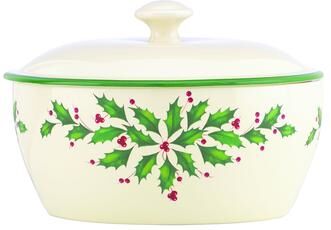
Lenox Hosting The Holidays Covered CasseroleThis Hosting the Holidays Casserole Dish is ideal for serving large dinner parties. Crafted of durable ivory porcelain, this spacious dish features a festive holly motif and comes with a matching lid.45,99 $*Shipping: 0,00 $Secure redirect to the provider
-
Lenox Hosting The Holidays Bread TrayWhether presenting an assortment of rolls or a buttery log of Texas toast, this festive ceramic Hosting the Holidays Bread Tray will not disappoint. The tray features a holly motif and is accented with 24-karat gold.44,49 $*Shipping: 0,00 $Secure redirect to the provider
-
Are those healthy budgie beaks?
It is difficult to determine the health of the budgie beaks without a closer examination. Healthy budgie beaks are typically smooth, well-shaped, and free from any discoloration or deformities. If the beaks appear overgrown, discolored, or have any signs of damage, it may indicate a health issue that requires attention from a veterinarian. Regular monitoring and providing appropriate toys and perches for chewing can help maintain the health of budgie beaks. **
-
Do my budgerigars have cracks in their beaks?
It is not uncommon for budgerigars to have small cracks or imperfections in their beaks. This can be caused by a variety of factors such as diet, genetics, or environmental conditions. However, if the cracks appear to be deep, causing bleeding or affecting the bird's ability to eat or groom itself, it is important to consult a veterinarian for proper treatment. Regular monitoring of your budgerigars' beaks and providing a balanced diet can help prevent and manage any issues with their beaks. **
-
How do budgerigars make sounds with their beaks?
Budgerigars, also known as budgies, make sounds with their beaks by grinding their upper and lower beaks together. This action creates a soft, chattering sound that is often used as a form of communication between budgies. Additionally, budgies can also produce a variety of vocalizations, including chirps, whistles, and squawks, by using their syrinx, a vocal organ located at the base of their trachea. These vocalizations are used for various purposes, such as attracting a mate, warning of danger, or expressing contentment. **
-
Why do birds move their beaks so jerkily?
Birds move their beaks jerkily because it allows them to quickly and accurately capture prey, such as insects or small fish. This rapid movement helps them to snatch their prey with precision and speed, making it easier for them to catch their food. Additionally, the jerky movement of their beaks may also help birds to break open seeds or nuts, allowing them to access the nutritious contents inside. Overall, the jerky movement of their beaks is an adaptation that helps birds to efficiently feed and survive in their natural environment. **
Similar search terms for Beaks
-
Scholastic Share Black Stories: Picture Book ProfilesThese three stories are tales of hope, courage, and inspiration.This set includes:Bessie the Motorcycle QueenI Am Ruby BridgesJust Like Jesse Owens Share Black Stories: Picture Book Profiles47,57 $*Shipping: 0,00 $Secure redirect to the provider
-
Stellar Stoneware Bantham Hosting For 4 SetIntroduce calm, contemporary style to your table with the Stellar Stoneware Bantham collection. Defined by smooth, modern contours and a soft green reactive glaze, each piece brings a fresh, artisan-inspired feel to everyday dining. Crafted from durable stoneware and fired for exceptional strength, the range offers excellent resistance to chipping and everyday wear. The naturally smooth glazed finish resists staining, cleans with ease, and provides a reassuringly balanced feel in hand. Its thick stoneware construction also enhances heat retention, helping dishes stay warmer for longer. Designed for modern living, every piece is microwave, dishwasher, and oven safe (up to 180°C), making the collection as practical as it is elegant—ideal for both daily use and relaxed entertaining. Set includes: 4 dinner plates, 4 side plates, 4x pasta bowls, 4 cereal bowls, 1x medium platter, 1x large platter and 1x serving bowl.199,95 £*Shipping: 0,00 £Secure redirect to the provider
-
Stellar Stoneware Bantham Hosting For 8 SetIntroduce calm, contemporary style to your table with the Stellar Stoneware Bantham collection. Defined by smooth, modern contours and a soft green reactive glaze, each piece brings a fresh, artisan-inspired feel to everyday dining. Crafted from durable stoneware and fired for exceptional strength, the range offers excellent resistance to chipping and everyday wear. The naturally smooth glazed finish resists staining, cleans with ease, and provides a reassuringly balanced feel in hand. Its thick stoneware construction also enhances heat retention, helping dishes stay warmer for longer. Designed for modern living, every piece is microwave, dishwasher, and oven safe (up to 180°C), making the collection as practical as it is elegant—ideal for both daily use and relaxed entertaining. Set includes: 8 dinner plates, 8 side plates, 8x pasta bowls, 8 cereal bowls, 1x medium platter, 1x large platter and 1x serving bowl324,95 £*Shipping: 0,00 £Secure redirect to the provider
-
Stellar Stoneware Mylor Hosting For 4 SetElevate everyday dining with the Stellar Stoneware Mylor collection, defined by its rich reactive glaze that gives each piece a subtly unique character. Blending warmth with understated style, Mylor brings a considered, artisanal touch to both casual meals and relaxed entertaining. Crafted from durable stoneware and fired for strength, each piece is designed to withstand daily use while maintaining its refined appearance. Plates and bowls are thoughtfully weighted for a balanced, comfortable feel in hand—offering reassuring sturdiness without compromising elegance. The thick stoneware construction also provides excellent heat retention, helping dishes stay warmer for longer. Designed for modern living, the collection is microwave and dishwasher safe, and suitable for oven use up to 180°C—ideal for everything from reheating to finishing dishes. Set includes: 4 dinner plates, 4 side plates, 4x pasta bowls, 4 cereal bowls, 1x medium platter, 1x large platter and 1x serving bowl.199,95 £*Shipping: 0,00 £Secure redirect to the provider
-
What is special about the beaks of the Darwin's finches?
The beaks of Darwin's finches are special because they have evolved to be different shapes and sizes in order to adapt to different food sources. This is a classic example of adaptive radiation, where a single ancestral species diversifies into multiple species with different ecological roles. The beak shapes of the finches allow them to access different types of food, such as seeds, insects, or nectar, depending on the specific environmental conditions of their habitat. This variation in beak morphology has allowed the finches to successfully exploit a wide range of ecological niches in the Galápagos Islands. **
-
Why do tits peck at the window with their beaks?
Tits may peck at windows for a few reasons. They may see their reflection and mistake it for a rival bird, leading them to peck at the window in an attempt to drive the "intruder" away. Additionally, they may be trying to access insects or other food that they see on the other side of the window. In some cases, they may also be trying to build a nest or find a suitable nesting site. It's important to try to deter this behavior, as it can be harmful to the birds and may also damage the window. **
-
What do the beaks and feet of birds have to do with their food?
The beaks and feet of birds are adapted to help them obtain and consume their food. The shape and size of a bird's beak is often specialized for the type of food it eats, such as a long, thin beak for probing into flowers for nectar or a strong, hooked beak for tearing into flesh. Similarly, the feet of birds can be adapted for different purposes, such as webbed feet for swimming and catching fish, or talons for grasping and carrying prey. Overall, the beaks and feet of birds play a crucial role in helping them find, capture, and consume their food. **
-
Why do birds tuck their beaks into their feathers on their back when sleeping?
Birds tuck their beaks into their feathers on their back when sleeping as a way to keep warm and conserve energy. By tucking their beaks, they can reduce heat loss and maintain their body temperature during the night. This behavior also helps protect their beaks from potential predators while they are vulnerable and asleep. Additionally, tucking their beaks into their feathers can help birds maintain a streamlined shape, making it easier for them to stay balanced and stable while perched. **
* All prices are inclusive of VAT and, if applicable, plus shipping costs. The offer information is based on the details provided by the respective shop and is updated through automated processes. Real-time updates do not occur, so deviations can occur in individual cases. ** Note: Parts of this content were created by AI.