Buy bilder-hosting.eu ?
We are moving the project
bilder-hosting.eu .
Are you interested in purchasing the domain
bilder-hosting.eu ?
domain@kv-gmbh.de · 0541-91531010
Buy bilder-hosting.eu ?
What are relatively unknown deities?
Relatively unknown deities are gods or goddesses from various mythologies and belief systems that are not widely recognized or worshipped. These deities may come from smaller or less well-known cultures, or they may be overshadowed by more popular gods and goddesses within their own pantheon. Relatively unknown deities often have specific domains or attributes, and they may have unique stories and symbolism associated with them. Exploring these lesser-known deities can provide insight into the diversity and richness of different religious traditions. **
How many deities are there?
The number of deities varies depending on the religious or spiritual tradition. For example, in Hinduism, there are millions of deities, with some being more prominent than others. In ancient Greek mythology, there were twelve major deities known as the Olympians, along with numerous other minor deities. In some monotheistic religions such as Christianity, there is only one deity, while in polytheistic traditions like the Norse pantheon, there are multiple deities. Ultimately, the number of deities is determined by the specific beliefs and practices of each religious or spiritual tradition. **

Similar search terms for Deities
Top-Angebote
Products related to Deities:
-
Lenox Hosting The Holidays Bread TrayWhether presenting an assortment of rolls or a buttery log of Texas toast, this festive ceramic Hosting the Holidays Bread Tray will not disappoint. The tray features a holly motif and is accented with 24-karat gold.44,49 $*Shipping: 0,00 $Secure redirect to the provider
-
Scholastic Share Black Stories: Picture Book ProfilesThese three stories are tales of hope, courage, and inspiration.This set includes:Bessie the Motorcycle QueenI Am Ruby BridgesJust Like Jesse Owens Share Black Stories: Picture Book Profiles47,57 $*Shipping: 0,00 $Secure redirect to the provider
-
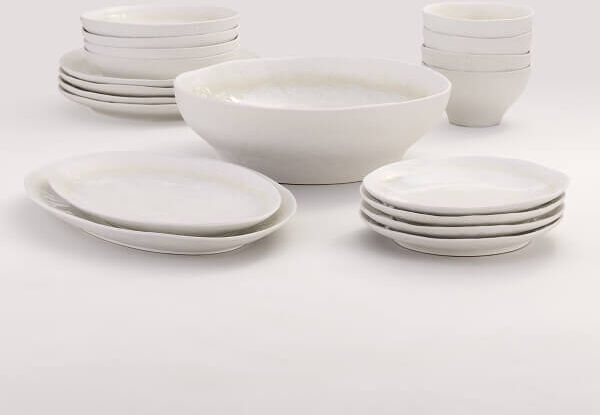
Stellar Stoneware Bantham Hosting For 4 SetIntroduce calm, contemporary style to your table with the Stellar Stoneware Bantham collection. Defined by smooth, modern contours and a soft green reactive glaze, each piece brings a fresh, artisan-inspired feel to everyday dining. Crafted from durable stoneware and fired for exceptional strength, the range offers excellent resistance to chipping and everyday wear. The naturally smooth glazed finish resists staining, cleans with ease, and provides a reassuringly balanced feel in hand. Its thick stoneware construction also enhances heat retention, helping dishes stay warmer for longer. Designed for modern living, every piece is microwave, dishwasher, and oven safe (up to 180°C), making the collection as practical as it is elegant—ideal for both daily use and relaxed entertaining. Set includes: 4 dinner plates, 4 side plates, 4x pasta bowls, 4 cereal bowls, 1x medium platter, 1x large platter and 1x serving bowl.199,95 £*Shipping: 0,00 £Secure redirect to the provider




-
What are evil gods or deities?
Evil gods or deities are supernatural beings in various mythologies and religions who are associated with malevolence, darkness, and destructive forces. They are often depicted as antagonistic figures who seek to bring harm, chaos, and suffering to the world and its inhabitants. In some belief systems, evil gods are seen as the embodiment of negative aspects of human nature, such as greed, jealousy, and violence. They are often contrasted with benevolent or good gods, and are the focus of rituals and prayers aimed at appeasing or warding off their harmful influence. **
-
Can you tell me more about Deities?
Deities are supernatural beings or gods that are worshipped and revered in various religions and belief systems around the world. They are often associated with specific powers, domains, or aspects of life, and are believed to have influence over the natural world and human affairs. Deities can take many forms, from anthropomorphic figures to abstract concepts, and are often depicted in religious texts, myths, and rituals. Worshipping deities is a way for believers to seek guidance, protection, blessings, and a deeper connection to the divine. **
-
Find a term for a complex of deities.
A term for a complex of deities is a pantheon. A pantheon refers to a group or collection of gods or goddesses that are worshipped in a particular religion or mythology. Pantheons can vary in size and significance, with some cultures having pantheons that consist of only a few deities, while others have pantheons with numerous gods and goddesses. **
-
Could you publish a list of Greek deities?
Sure! Here is a list of some of the major Greek deities: 1. Zeus - King of the gods and ruler of Mount Olympus 2. Hera - Queen of the gods and goddess of marriage and family 3. Poseidon - God of the sea and earthquakes 4. Demeter - Goddess of agriculture and the harvest 5. Athena - Goddess of wisdom, warfare, and crafts 6. Apollo - God of the sun, music, and prophecy 7. Artemis - Goddess of the hunt, wilderness, and childbirth 8. Ares - God of war 9. Aphrodite - Goddess of love and beauty 10. Hermes - Messenger of the gods and god of travel, commerce, and thieves This is just a small selection of the many gods and goddesses in Greek mythology. **

Search for a term for a complex of deities.
The term for a complex of deities is "pantheon." A pantheon refers to a group or collection of gods or goddesses that are worshiped in a particular religion or mythology. These deities often have specific roles, attributes, and relationships with each other within the pantheon. Examples of famous pantheons include the Greek pantheon, the Roman pantheon, and the Hindu pantheon. **
After which mythical figures or deities are elements named?
Elements are named after various mythical figures or deities from different cultures. For example, the element Mercury is named after the Roman god Mercury, while Uranium is named after the planet Uranus. Other examples include Thorium, named after the Norse god Thor, and Plutonium, named after the Roman god Pluto. These names are often chosen based on the properties or characteristics of the elements. **
Top-Angebote
Products related to Deities:
-
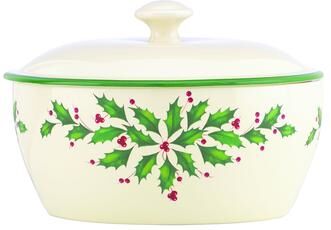
Lenox Hosting The Holidays Covered CasseroleThis Hosting the Holidays Casserole Dish is ideal for serving large dinner parties. Crafted of durable ivory porcelain, this spacious dish features a festive holly motif and comes with a matching lid.45,99 $*Shipping: 0,00 $Secure redirect to the provider
-
Lenox Hosting The Holidays Bread TrayWhether presenting an assortment of rolls or a buttery log of Texas toast, this festive ceramic Hosting the Holidays Bread Tray will not disappoint. The tray features a holly motif and is accented with 24-karat gold.44,49 $*Shipping: 0,00 $Secure redirect to the provider
-
What are relatively unknown deities?
Relatively unknown deities are gods or goddesses from various mythologies and belief systems that are not widely recognized or worshipped. These deities may come from smaller or less well-known cultures, or they may be overshadowed by more popular gods and goddesses within their own pantheon. Relatively unknown deities often have specific domains or attributes, and they may have unique stories and symbolism associated with them. Exploring these lesser-known deities can provide insight into the diversity and richness of different religious traditions. **
-
How many deities are there?
The number of deities varies depending on the religious or spiritual tradition. For example, in Hinduism, there are millions of deities, with some being more prominent than others. In ancient Greek mythology, there were twelve major deities known as the Olympians, along with numerous other minor deities. In some monotheistic religions such as Christianity, there is only one deity, while in polytheistic traditions like the Norse pantheon, there are multiple deities. Ultimately, the number of deities is determined by the specific beliefs and practices of each religious or spiritual tradition. **
-
What are evil gods or deities?
Evil gods or deities are supernatural beings in various mythologies and religions who are associated with malevolence, darkness, and destructive forces. They are often depicted as antagonistic figures who seek to bring harm, chaos, and suffering to the world and its inhabitants. In some belief systems, evil gods are seen as the embodiment of negative aspects of human nature, such as greed, jealousy, and violence. They are often contrasted with benevolent or good gods, and are the focus of rituals and prayers aimed at appeasing or warding off their harmful influence. **
-
Can you tell me more about Deities?
Deities are supernatural beings or gods that are worshipped and revered in various religions and belief systems around the world. They are often associated with specific powers, domains, or aspects of life, and are believed to have influence over the natural world and human affairs. Deities can take many forms, from anthropomorphic figures to abstract concepts, and are often depicted in religious texts, myths, and rituals. Worshipping deities is a way for believers to seek guidance, protection, blessings, and a deeper connection to the divine. **
Similar search terms for Deities
-
Scholastic Share Black Stories: Picture Book ProfilesThese three stories are tales of hope, courage, and inspiration.This set includes:Bessie the Motorcycle QueenI Am Ruby BridgesJust Like Jesse Owens Share Black Stories: Picture Book Profiles47,57 $*Shipping: 0,00 $Secure redirect to the provider
-
Stellar Stoneware Bantham Hosting For 4 SetIntroduce calm, contemporary style to your table with the Stellar Stoneware Bantham collection. Defined by smooth, modern contours and a soft green reactive glaze, each piece brings a fresh, artisan-inspired feel to everyday dining. Crafted from durable stoneware and fired for exceptional strength, the range offers excellent resistance to chipping and everyday wear. The naturally smooth glazed finish resists staining, cleans with ease, and provides a reassuringly balanced feel in hand. Its thick stoneware construction also enhances heat retention, helping dishes stay warmer for longer. Designed for modern living, every piece is microwave, dishwasher, and oven safe (up to 180°C), making the collection as practical as it is elegant—ideal for both daily use and relaxed entertaining. Set includes: 4 dinner plates, 4 side plates, 4x pasta bowls, 4 cereal bowls, 1x medium platter, 1x large platter and 1x serving bowl.199,95 £*Shipping: 0,00 £Secure redirect to the provider
-
Stellar Stoneware Bantham Hosting For 8 SetIntroduce calm, contemporary style to your table with the Stellar Stoneware Bantham collection. Defined by smooth, modern contours and a soft green reactive glaze, each piece brings a fresh, artisan-inspired feel to everyday dining. Crafted from durable stoneware and fired for exceptional strength, the range offers excellent resistance to chipping and everyday wear. The naturally smooth glazed finish resists staining, cleans with ease, and provides a reassuringly balanced feel in hand. Its thick stoneware construction also enhances heat retention, helping dishes stay warmer for longer. Designed for modern living, every piece is microwave, dishwasher, and oven safe (up to 180°C), making the collection as practical as it is elegant—ideal for both daily use and relaxed entertaining. Set includes: 8 dinner plates, 8 side plates, 8x pasta bowls, 8 cereal bowls, 1x medium platter, 1x large platter and 1x serving bowl324,95 £*Shipping: 0,00 £Secure redirect to the provider
-
Stellar Stoneware Mylor Hosting For 4 SetElevate everyday dining with the Stellar Stoneware Mylor collection, defined by its rich reactive glaze that gives each piece a subtly unique character. Blending warmth with understated style, Mylor brings a considered, artisanal touch to both casual meals and relaxed entertaining. Crafted from durable stoneware and fired for strength, each piece is designed to withstand daily use while maintaining its refined appearance. Plates and bowls are thoughtfully weighted for a balanced, comfortable feel in hand—offering reassuring sturdiness without compromising elegance. The thick stoneware construction also provides excellent heat retention, helping dishes stay warmer for longer. Designed for modern living, the collection is microwave and dishwasher safe, and suitable for oven use up to 180°C—ideal for everything from reheating to finishing dishes. Set includes: 4 dinner plates, 4 side plates, 4x pasta bowls, 4 cereal bowls, 1x medium platter, 1x large platter and 1x serving bowl.199,95 £*Shipping: 0,00 £Secure redirect to the provider
-
Find a term for a complex of deities.
A term for a complex of deities is a pantheon. A pantheon refers to a group or collection of gods or goddesses that are worshipped in a particular religion or mythology. Pantheons can vary in size and significance, with some cultures having pantheons that consist of only a few deities, while others have pantheons with numerous gods and goddesses. **
-
Could you publish a list of Greek deities?
Sure! Here is a list of some of the major Greek deities: 1. Zeus - King of the gods and ruler of Mount Olympus 2. Hera - Queen of the gods and goddess of marriage and family 3. Poseidon - God of the sea and earthquakes 4. Demeter - Goddess of agriculture and the harvest 5. Athena - Goddess of wisdom, warfare, and crafts 6. Apollo - God of the sun, music, and prophecy 7. Artemis - Goddess of the hunt, wilderness, and childbirth 8. Ares - God of war 9. Aphrodite - Goddess of love and beauty 10. Hermes - Messenger of the gods and god of travel, commerce, and thieves This is just a small selection of the many gods and goddesses in Greek mythology. **
-
Search for a term for a complex of deities.
The term for a complex of deities is "pantheon." A pantheon refers to a group or collection of gods or goddesses that are worshiped in a particular religion or mythology. These deities often have specific roles, attributes, and relationships with each other within the pantheon. Examples of famous pantheons include the Greek pantheon, the Roman pantheon, and the Hindu pantheon. **
-
After which mythical figures or deities are elements named?
Elements are named after various mythical figures or deities from different cultures. For example, the element Mercury is named after the Roman god Mercury, while Uranium is named after the planet Uranus. Other examples include Thorium, named after the Norse god Thor, and Plutonium, named after the Roman god Pluto. These names are often chosen based on the properties or characteristics of the elements. **
* All prices are inclusive of VAT and, if applicable, plus shipping costs. The offer information is based on the details provided by the respective shop and is updated through automated processes. Real-time updates do not occur, so deviations can occur in individual cases. ** Note: Parts of this content were created by AI.