Buy bilder-hosting.eu ?
We are moving the project
bilder-hosting.eu .
Are you interested in purchasing the domain
bilder-hosting.eu ?
domain@kv-gmbh.de · 0541-91531010
Buy bilder-hosting.eu ?
What products are formed during glycolysis?
During glycolysis, glucose is broken down into two molecules of pyruvate. In the process, ATP and NADH are also produced. Overall, glycolysis results in the net production of two molecules of ATP per glucose molecule. **
Why doesn't the glycolysis equation balance?
The glycolysis equation does not balance because it is a simplified representation of the overall process. In reality, glycolysis involves a series of complex enzymatic reactions that occur in multiple steps. The equation typically shown in textbooks is a summary of these steps and does not account for every intermediate molecule or cofactor involved in the process. Additionally, the equation may not balance due to the omission of specific details or variations that can occur in different organisms or under different conditions. **


Similar search terms for Glycolysis
Top-Angebote
Products related to Glycolysis:
-
Lenox Hosting The Holidays Covered CasseroleThis Hosting the Holidays Casserole Dish is ideal for serving large dinner parties. Crafted of durable ivory porcelain, this spacious dish features a festive holly motif and comes with a matching lid.45,99 $*Shipping: 0,00 $Secure redirect to the provider
-
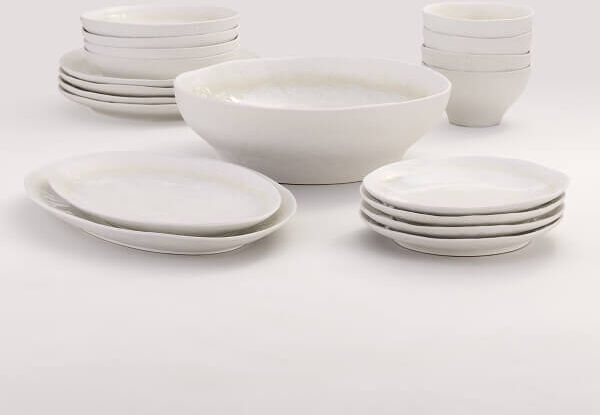
Stellar Stoneware Bantham Hosting For 4 SetIntroduce calm, contemporary style to your table with the Stellar Stoneware Bantham collection. Defined by smooth, modern contours and a soft green reactive glaze, each piece brings a fresh, artisan-inspired feel to everyday dining. Crafted from durable stoneware and fired for exceptional strength, the range offers excellent resistance to chipping and everyday wear. The naturally smooth glazed finish resists staining, cleans with ease, and provides a reassuringly balanced feel in hand. Its thick stoneware construction also enhances heat retention, helping dishes stay warmer for longer. Designed for modern living, every piece is microwave, dishwasher, and oven safe (up to 180°C), making the collection as practical as it is elegant—ideal for both daily use and relaxed entertaining. Set includes: 4 dinner plates, 4 side plates, 4x pasta bowls, 4 cereal bowls, 1x medium platter, 1x large platter and 1x serving bowl.199,95 £*Shipping: 0,00 £Secure redirect to the provider
-
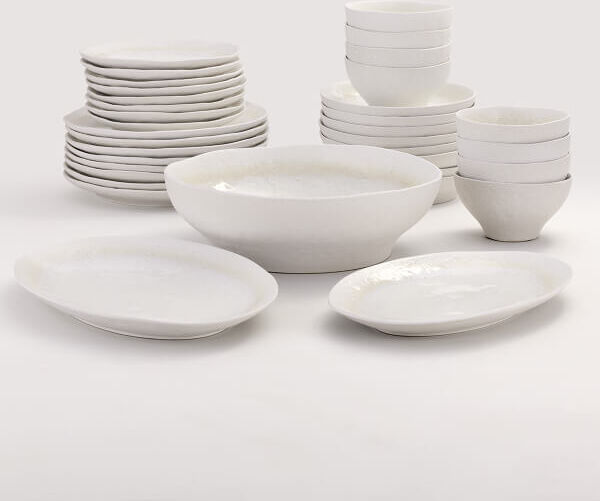
Stellar Stoneware Bantham Hosting For 8 SetIntroduce calm, contemporary style to your table with the Stellar Stoneware Bantham collection. Defined by smooth, modern contours and a soft green reactive glaze, each piece brings a fresh, artisan-inspired feel to everyday dining. Crafted from durable stoneware and fired for exceptional strength, the range offers excellent resistance to chipping and everyday wear. The naturally smooth glazed finish resists staining, cleans with ease, and provides a reassuringly balanced feel in hand. Its thick stoneware construction also enhances heat retention, helping dishes stay warmer for longer. Designed for modern living, every piece is microwave, dishwasher, and oven safe (up to 180°C), making the collection as practical as it is elegant—ideal for both daily use and relaxed entertaining. Set includes: 8 dinner plates, 8 side plates, 8x pasta bowls, 8 cereal bowls, 1x medium platter, 1x large platter and 1x serving bowl324,95 £*Shipping: 0,00 £Secure redirect to the provider




-
What is glycolysis in cellular respiration?
Glycolysis is the first stage of cellular respiration, the process by which cells break down glucose to produce energy. It takes place in the cytoplasm of the cell and does not require oxygen, making it an anaerobic process. During glycolysis, a molecule of glucose is broken down into two molecules of pyruvate, and in the process, a small amount of ATP (energy) is produced. This ATP can be used by the cell for various functions. Glycolysis is a crucial step in cellular respiration and provides the starting point for the next stages of the process, which occur in the mitochondria. **
-
What is a mnemonic for glycolysis?
A commonly used mnemonic for remembering the steps of glycolysis is "Goodness Gracious, Father Franklin Did Go By Picking Pumpkins To Prepare Pies." Each word in the mnemonic represents the first letter of each step in the glycolysis pathway: Glucose, Glucose-6-phosphate, Fructose-6-phosphate, Fructose-1,6-bisphosphate, Dihydroxyacetone phosphate, Glyceraldehyde-3-phosphate, 1,3-Bisphosphoglycerate, 3-Phosphoglycerate, 2-Phosphoglycerate, Phosphoenolpyruvate, and Pyruvate. This mnemonic can help students remember the order of the steps in glycolysis. **
-
Why does the glycolysis equation not balance?
The glycolysis equation does not balance because it is a simplified representation of the complex series of chemical reactions that occur during glycolysis. The equation only shows the overall input and output of the process, without accounting for the specific intermediates and enzymes involved in each step. Additionally, the equation does not include the energy requirements and regulatory mechanisms that control glycolysis. Therefore, the equation is unbalanced because it does not provide a detailed account of the individual reactions and their stoichiometry. **
-
What is the balance equation of glycolysis?
The balanced equation for glycolysis is: Glucose + 2 NAD+ + 2 ADP + 2 Pi → 2 pyruvate + 2 NADH + 2 ATP + 2 H2O + 2 H+ **
What is the difference between glycolysis and glycogenolysis?
Glycolysis is the breakdown of glucose into pyruvate to produce energy in the form of ATP, while glycogenolysis is the breakdown of glycogen into glucose to provide a quick source of energy. Glycolysis occurs in the cytoplasm of cells, while glycogenolysis primarily occurs in the liver and muscles. Glycolysis is the first step in cellular respiration, while glycogenolysis is a way for the body to maintain blood glucose levels during times of fasting or exercise. **
What are glycolysis and cellular respiration in biology?
Glycolysis is the first step in cellular respiration, which is the process by which cells break down glucose to produce energy in the form of ATP. During glycolysis, glucose is converted into pyruvate, producing a small amount of ATP and NADH. Cellular respiration then continues in the mitochondria, where pyruvate is further broken down through the citric acid cycle and oxidative phosphorylation to produce a much larger amount of ATP. Overall, cellular respiration is the process by which cells generate energy from glucose, while glycolysis is the initial step in this process. **
Top-Angebote
Products related to Glycolysis:
-
Lenox Hosting The Holidays Bread TrayWhether presenting an assortment of rolls or a buttery log of Texas toast, this festive ceramic Hosting the Holidays Bread Tray will not disappoint. The tray features a holly motif and is accented with 24-karat gold.44,49 $*Shipping: 0,00 $Secure redirect to the provider
-
Lenox Hosting The Holidays Covered CasseroleThis Hosting the Holidays Casserole Dish is ideal for serving large dinner parties. Crafted of durable ivory porcelain, this spacious dish features a festive holly motif and comes with a matching lid.45,99 $*Shipping: 0,00 $Secure redirect to the provider
-
What products are formed during glycolysis?
During glycolysis, glucose is broken down into two molecules of pyruvate. In the process, ATP and NADH are also produced. Overall, glycolysis results in the net production of two molecules of ATP per glucose molecule. **
-
Why doesn't the glycolysis equation balance?
The glycolysis equation does not balance because it is a simplified representation of the overall process. In reality, glycolysis involves a series of complex enzymatic reactions that occur in multiple steps. The equation typically shown in textbooks is a summary of these steps and does not account for every intermediate molecule or cofactor involved in the process. Additionally, the equation may not balance due to the omission of specific details or variations that can occur in different organisms or under different conditions. **
-
What is glycolysis in cellular respiration?
Glycolysis is the first stage of cellular respiration, the process by which cells break down glucose to produce energy. It takes place in the cytoplasm of the cell and does not require oxygen, making it an anaerobic process. During glycolysis, a molecule of glucose is broken down into two molecules of pyruvate, and in the process, a small amount of ATP (energy) is produced. This ATP can be used by the cell for various functions. Glycolysis is a crucial step in cellular respiration and provides the starting point for the next stages of the process, which occur in the mitochondria. **
-
What is a mnemonic for glycolysis?
A commonly used mnemonic for remembering the steps of glycolysis is "Goodness Gracious, Father Franklin Did Go By Picking Pumpkins To Prepare Pies." Each word in the mnemonic represents the first letter of each step in the glycolysis pathway: Glucose, Glucose-6-phosphate, Fructose-6-phosphate, Fructose-1,6-bisphosphate, Dihydroxyacetone phosphate, Glyceraldehyde-3-phosphate, 1,3-Bisphosphoglycerate, 3-Phosphoglycerate, 2-Phosphoglycerate, Phosphoenolpyruvate, and Pyruvate. This mnemonic can help students remember the order of the steps in glycolysis. **
Similar search terms for Glycolysis
-
Stellar Stoneware Bantham Hosting For 4 SetIntroduce calm, contemporary style to your table with the Stellar Stoneware Bantham collection. Defined by smooth, modern contours and a soft green reactive glaze, each piece brings a fresh, artisan-inspired feel to everyday dining. Crafted from durable stoneware and fired for exceptional strength, the range offers excellent resistance to chipping and everyday wear. The naturally smooth glazed finish resists staining, cleans with ease, and provides a reassuringly balanced feel in hand. Its thick stoneware construction also enhances heat retention, helping dishes stay warmer for longer. Designed for modern living, every piece is microwave, dishwasher, and oven safe (up to 180°C), making the collection as practical as it is elegant—ideal for both daily use and relaxed entertaining. Set includes: 4 dinner plates, 4 side plates, 4x pasta bowls, 4 cereal bowls, 1x medium platter, 1x large platter and 1x serving bowl.199,95 £*Shipping: 0,00 £Secure redirect to the provider
-
Stellar Stoneware Bantham Hosting For 8 SetIntroduce calm, contemporary style to your table with the Stellar Stoneware Bantham collection. Defined by smooth, modern contours and a soft green reactive glaze, each piece brings a fresh, artisan-inspired feel to everyday dining. Crafted from durable stoneware and fired for exceptional strength, the range offers excellent resistance to chipping and everyday wear. The naturally smooth glazed finish resists staining, cleans with ease, and provides a reassuringly balanced feel in hand. Its thick stoneware construction also enhances heat retention, helping dishes stay warmer for longer. Designed for modern living, every piece is microwave, dishwasher, and oven safe (up to 180°C), making the collection as practical as it is elegant—ideal for both daily use and relaxed entertaining. Set includes: 8 dinner plates, 8 side plates, 8x pasta bowls, 8 cereal bowls, 1x medium platter, 1x large platter and 1x serving bowl324,95 £*Shipping: 0,00 £Secure redirect to the provider
-
Stellar Stoneware Mylor Hosting For 4 SetElevate everyday dining with the Stellar Stoneware Mylor collection, defined by its rich reactive glaze that gives each piece a subtly unique character. Blending warmth with understated style, Mylor brings a considered, artisanal touch to both casual meals and relaxed entertaining. Crafted from durable stoneware and fired for strength, each piece is designed to withstand daily use while maintaining its refined appearance. Plates and bowls are thoughtfully weighted for a balanced, comfortable feel in hand—offering reassuring sturdiness without compromising elegance. The thick stoneware construction also provides excellent heat retention, helping dishes stay warmer for longer. Designed for modern living, the collection is microwave and dishwasher safe, and suitable for oven use up to 180°C—ideal for everything from reheating to finishing dishes. Set includes: 4 dinner plates, 4 side plates, 4x pasta bowls, 4 cereal bowls, 1x medium platter, 1x large platter and 1x serving bowl.199,95 £*Shipping: 0,00 £Secure redirect to the provider
-
Stellar Stoneware Mylor Hosting For 8 SetElevate everyday dining with the Stellar Stoneware Mylor collection, defined by its rich reactive glaze that gives each piece a subtly unique character. Blending warmth with understated style, Mylor brings a considered, artisanal touch to both casual meals and relaxed entertaining. Crafted from durable stoneware and fired for strength, each piece is designed to withstand daily use while maintaining its refined appearance. Plates and bowls are thoughtfully weighted for a balanced, comfortable feel in hand—offering reassuring sturdiness without compromising elegance. The thick stoneware construction also provides excellent heat retention, helping dishes stay warmer for longer. Designed for modern living, the collection is microwave and dishwasher safe, and suitable for oven use up to 180°C—ideal for everything from reheating to finishing dishes. Set includes: 8 dinner plates, 8 side plates, 8x pasta bowls, 8 cereal bowls, 1x medium platter, 1x large platter and 1x serving bowl324,95 £*Shipping: 0,00 £Secure redirect to the provider
-
Why does the glycolysis equation not balance?
The glycolysis equation does not balance because it is a simplified representation of the complex series of chemical reactions that occur during glycolysis. The equation only shows the overall input and output of the process, without accounting for the specific intermediates and enzymes involved in each step. Additionally, the equation does not include the energy requirements and regulatory mechanisms that control glycolysis. Therefore, the equation is unbalanced because it does not provide a detailed account of the individual reactions and their stoichiometry. **
-
What is the balance equation of glycolysis?
The balanced equation for glycolysis is: Glucose + 2 NAD+ + 2 ADP + 2 Pi → 2 pyruvate + 2 NADH + 2 ATP + 2 H2O + 2 H+ **
-
What is the difference between glycolysis and glycogenolysis?
Glycolysis is the breakdown of glucose into pyruvate to produce energy in the form of ATP, while glycogenolysis is the breakdown of glycogen into glucose to provide a quick source of energy. Glycolysis occurs in the cytoplasm of cells, while glycogenolysis primarily occurs in the liver and muscles. Glycolysis is the first step in cellular respiration, while glycogenolysis is a way for the body to maintain blood glucose levels during times of fasting or exercise. **
-
What are glycolysis and cellular respiration in biology?
Glycolysis is the first step in cellular respiration, which is the process by which cells break down glucose to produce energy in the form of ATP. During glycolysis, glucose is converted into pyruvate, producing a small amount of ATP and NADH. Cellular respiration then continues in the mitochondria, where pyruvate is further broken down through the citric acid cycle and oxidative phosphorylation to produce a much larger amount of ATP. Overall, cellular respiration is the process by which cells generate energy from glucose, while glycolysis is the initial step in this process. **
* All prices are inclusive of VAT and, if applicable, plus shipping costs. The offer information is based on the details provided by the respective shop and is updated through automated processes. Real-time updates do not occur, so deviations can occur in individual cases. ** Note: Parts of this content were created by AI.