Buy bilder-hosting.eu ?
We are moving the project
bilder-hosting.eu .
Are you interested in purchasing the domain
bilder-hosting.eu ?
domain@kv-gmbh.de · 0541-91531010
Buy bilder-hosting.eu ?
Is gypsum soluble in water?
Yes, gypsum is slightly soluble in water. When gypsum is mixed with water, it can dissolve and form a solution. However, gypsum is not highly soluble compared to other minerals, so it does not dissolve as readily or completely in water. **
What are drywall gypsum boards?
Drywall gypsum boards, also known as drywall or plasterboard, are panels made from gypsum plaster pressed between two thick sheets of paper. They are commonly used in interior construction to create walls and ceilings. Drywall gypsum boards are lightweight, easy to install, and provide a smooth surface for painting or wallpapering. They are a popular choice for finishing interior spaces due to their cost-effectiveness and versatility. **

Similar search terms for Gypsum
Top-Angebote
Products related to Gypsum:
-
Lenox Hosting The Holidays Bread TrayWhether presenting an assortment of rolls or a buttery log of Texas toast, this festive ceramic Hosting the Holidays Bread Tray will not disappoint. The tray features a holly motif and is accented with 24-karat gold.44,49 $*Shipping: 0,00 $Secure redirect to the provider
-
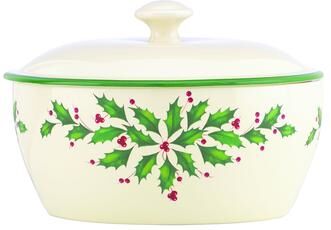
Lenox Hosting The Holidays Covered CasseroleThis Hosting the Holidays Casserole Dish is ideal for serving large dinner parties. Crafted of durable ivory porcelain, this spacious dish features a festive holly motif and comes with a matching lid.45,99 $*Shipping: 0,00 $Secure redirect to the provider


-
Which plaster on gypsum plaster?
The plaster used on gypsum plaster is typically a finishing plaster, such as a joint compound or a setting compound. These types of plasters are applied over the gypsum plaster to create a smooth and even surface for painting or other decorative finishes. **
-
How does gypsum heat up?
Gypsum does not actually heat up on its own. However, when gypsum is heated to a certain temperature (around 150-200 degrees Celsius), it undergoes a chemical reaction called calcination. During this process, gypsum loses its water molecules and transforms into calcium sulfate hemihydrate, releasing heat in the process. This exothermic reaction is what causes gypsum to heat up when heated to a high enough temperature. **
-
Does gypsum putty adhere to acrylic?
Yes, gypsum putty can adhere to acrylic surfaces. However, it is important to properly prepare the acrylic surface before applying the gypsum putty to ensure good adhesion. This may involve cleaning the surface, roughening it with sandpaper, and applying a suitable primer. Additionally, it is important to follow the manufacturer's instructions for the gypsum putty application to ensure a strong and durable bond with the acrylic surface. **
-
How can gypsum sculptures be preserved?
Gypsum sculptures can be preserved by keeping them in a stable environment with controlled temperature and humidity to prevent deterioration. They should be protected from direct sunlight and extreme temperatures to avoid cracking or discoloration. Additionally, handling should be kept to a minimum to prevent damage, and regular cleaning with a soft brush or cloth can help remove dust and dirt that can cause deterioration over time. Finally, if the sculpture is damaged, it should be repaired by a professional conservator using appropriate materials and techniques to ensure its long-term preservation. **


How can sulfur be extracted from gypsum?
Sulfur can be extracted from gypsum through a process called the Claus process. In this process, gypsum is first heated to release sulfur dioxide gas. The sulfur dioxide gas is then reacted with hydrogen sulfide gas in the presence of a catalyst to form elemental sulfur. The elemental sulfur can then be collected and further processed for various industrial applications. **
How can sulfur be obtained from gypsum?
Sulfur can be obtained from gypsum through a chemical process called the Claus process. In this process, gypsum is heated to high temperatures to form calcium oxide and sulfur dioxide gas. The sulfur dioxide gas is then reacted with hydrogen sulfide gas to form elemental sulfur. This elemental sulfur can then be further processed and purified for various industrial applications. **
Top-Angebote
Products related to Gypsum:
-
Inspired Finds Aromatherapy Stone Gypsum Sheet Decorative Ribbon Pendant For Home, Wardrobe, And Car 1pcInfuse your space with calming fragrance and elegant dcor using this aromatherapy stone gypsum sheet pendant, designed to bring gentle scent and style to your home, closet, or vehicle. Crafted from absorbent gypsum and accented with decorative...34,99 $*Shipping: 0,00 $Secure redirect to the provider
-
Lenox Hosting The Holidays Bread TrayWhether presenting an assortment of rolls or a buttery log of Texas toast, this festive ceramic Hosting the Holidays Bread Tray will not disappoint. The tray features a holly motif and is accented with 24-karat gold.44,49 $*Shipping: 0,00 $Secure redirect to the provider
-
Is gypsum soluble in water?
Yes, gypsum is slightly soluble in water. When gypsum is mixed with water, it can dissolve and form a solution. However, gypsum is not highly soluble compared to other minerals, so it does not dissolve as readily or completely in water. **
-
What are drywall gypsum boards?
Drywall gypsum boards, also known as drywall or plasterboard, are panels made from gypsum plaster pressed between two thick sheets of paper. They are commonly used in interior construction to create walls and ceilings. Drywall gypsum boards are lightweight, easy to install, and provide a smooth surface for painting or wallpapering. They are a popular choice for finishing interior spaces due to their cost-effectiveness and versatility. **
-
Which plaster on gypsum plaster?
The plaster used on gypsum plaster is typically a finishing plaster, such as a joint compound or a setting compound. These types of plasters are applied over the gypsum plaster to create a smooth and even surface for painting or other decorative finishes. **
-
How does gypsum heat up?
Gypsum does not actually heat up on its own. However, when gypsum is heated to a certain temperature (around 150-200 degrees Celsius), it undergoes a chemical reaction called calcination. During this process, gypsum loses its water molecules and transforms into calcium sulfate hemihydrate, releasing heat in the process. This exothermic reaction is what causes gypsum to heat up when heated to a high enough temperature. **
Similar search terms for Gypsum
-
Lenox Hosting The Holidays Covered CasseroleThis Hosting the Holidays Casserole Dish is ideal for serving large dinner parties. Crafted of durable ivory porcelain, this spacious dish features a festive holly motif and comes with a matching lid.45,99 $*Shipping: 0,00 $Secure redirect to the provider
-
Stellar Stoneware Bantham Hosting For 4 SetIntroduce calm, contemporary style to your table with the Stellar Stoneware Bantham collection. Defined by smooth, modern contours and a soft green reactive glaze, each piece brings a fresh, artisan-inspired feel to everyday dining. Crafted from durable stoneware and fired for exceptional strength, the range offers excellent resistance to chipping and everyday wear. The naturally smooth glazed finish resists staining, cleans with ease, and provides a reassuringly balanced feel in hand. Its thick stoneware construction also enhances heat retention, helping dishes stay warmer for longer. Designed for modern living, every piece is microwave, dishwasher, and oven safe (up to 180°C), making the collection as practical as it is elegant—ideal for both daily use and relaxed entertaining. Set includes: 4 dinner plates, 4 side plates, 4x pasta bowls, 4 cereal bowls, 1x medium platter, 1x large platter and 1x serving bowl.199,95 £*Shipping: 0,00 £Secure redirect to the provider
-
Stellar Stoneware Bantham Hosting For 8 SetIntroduce calm, contemporary style to your table with the Stellar Stoneware Bantham collection. Defined by smooth, modern contours and a soft green reactive glaze, each piece brings a fresh, artisan-inspired feel to everyday dining. Crafted from durable stoneware and fired for exceptional strength, the range offers excellent resistance to chipping and everyday wear. The naturally smooth glazed finish resists staining, cleans with ease, and provides a reassuringly balanced feel in hand. Its thick stoneware construction also enhances heat retention, helping dishes stay warmer for longer. Designed for modern living, every piece is microwave, dishwasher, and oven safe (up to 180°C), making the collection as practical as it is elegant—ideal for both daily use and relaxed entertaining. Set includes: 8 dinner plates, 8 side plates, 8x pasta bowls, 8 cereal bowls, 1x medium platter, 1x large platter and 1x serving bowl324,95 £*Shipping: 0,00 £Secure redirect to the provider
-
Does gypsum putty adhere to acrylic?
Yes, gypsum putty can adhere to acrylic surfaces. However, it is important to properly prepare the acrylic surface before applying the gypsum putty to ensure good adhesion. This may involve cleaning the surface, roughening it with sandpaper, and applying a suitable primer. Additionally, it is important to follow the manufacturer's instructions for the gypsum putty application to ensure a strong and durable bond with the acrylic surface. **
-
How can gypsum sculptures be preserved?
Gypsum sculptures can be preserved by keeping them in a stable environment with controlled temperature and humidity to prevent deterioration. They should be protected from direct sunlight and extreme temperatures to avoid cracking or discoloration. Additionally, handling should be kept to a minimum to prevent damage, and regular cleaning with a soft brush or cloth can help remove dust and dirt that can cause deterioration over time. Finally, if the sculpture is damaged, it should be repaired by a professional conservator using appropriate materials and techniques to ensure its long-term preservation. **
-
How can sulfur be extracted from gypsum?
Sulfur can be extracted from gypsum through a process called the Claus process. In this process, gypsum is first heated to release sulfur dioxide gas. The sulfur dioxide gas is then reacted with hydrogen sulfide gas in the presence of a catalyst to form elemental sulfur. The elemental sulfur can then be collected and further processed for various industrial applications. **
-
How can sulfur be obtained from gypsum?
Sulfur can be obtained from gypsum through a chemical process called the Claus process. In this process, gypsum is heated to high temperatures to form calcium oxide and sulfur dioxide gas. The sulfur dioxide gas is then reacted with hydrogen sulfide gas to form elemental sulfur. This elemental sulfur can then be further processed and purified for various industrial applications. **
* All prices are inclusive of VAT and, if applicable, plus shipping costs. The offer information is based on the details provided by the respective shop and is updated through automated processes. Real-time updates do not occur, so deviations can occur in individual cases. ** Note: Parts of this content were created by AI.