Buy bilder-hosting.eu ?
We are moving the project
bilder-hosting.eu .
Are you interested in purchasing the domain
bilder-hosting.eu ?
domain@kv-gmbh.de · 0541-91531010
Buy bilder-hosting.eu ?
How are Latin subjunctive subordinate clauses still translated with the subjunctive?
Latin subjunctive subordinate clauses are still translated with the subjunctive in English to convey the same sense of uncertainty, possibility, or doubt. In English, the subjunctive mood is used to express hypothetical or unreal situations, wishes, recommendations, or demands. Therefore, when translating Latin subjunctive subordinate clauses, the English subjunctive is used to maintain the same mood and meaning of the original Latin sentence. **
Perhaps, subjunctive or indicative?
The choice between subjunctive or indicative depends on the context of the sentence. The subjunctive mood is used to express hypothetical or uncertain situations, wishes, recommendations, or doubts. On the other hand, the indicative mood is used for statements of fact or certainty. Therefore, if the sentence is expressing a possibility, doubt, or desire, the subjunctive mood would be more appropriate. **

Similar search terms for Subjunctive
Top-Angebote
Products related to Subjunctive:
-
Lenox Hosting The Holidays Bread TrayWhether presenting an assortment of rolls or a buttery log of Texas toast, this festive ceramic Hosting the Holidays Bread Tray will not disappoint. The tray features a holly motif and is accented with 24-karat gold.44,49 $*Shipping: 0,00 $Secure redirect to the provider
-
Scholastic Share Black Stories: Picture Book ProfilesThese three stories are tales of hope, courage, and inspiration.This set includes:Bessie the Motorcycle QueenI Am Ruby BridgesJust Like Jesse Owens Share Black Stories: Picture Book Profiles47,57 $*Shipping: 0,00 $Secure redirect to the provider
-
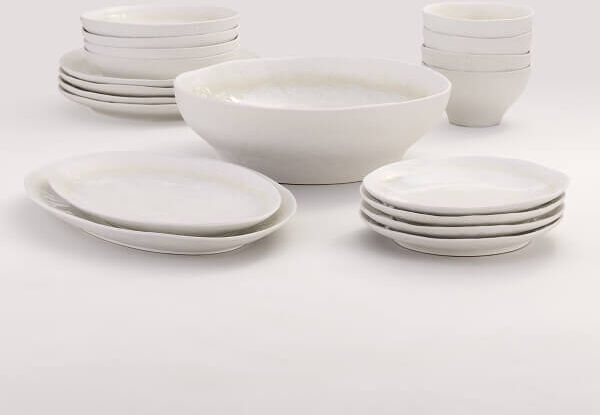
Stellar Stoneware Bantham Hosting For 4 SetIntroduce calm, contemporary style to your table with the Stellar Stoneware Bantham collection. Defined by smooth, modern contours and a soft green reactive glaze, each piece brings a fresh, artisan-inspired feel to everyday dining. Crafted from durable stoneware and fired for exceptional strength, the range offers excellent resistance to chipping and everyday wear. The naturally smooth glazed finish resists staining, cleans with ease, and provides a reassuringly balanced feel in hand. Its thick stoneware construction also enhances heat retention, helping dishes stay warmer for longer. Designed for modern living, every piece is microwave, dishwasher, and oven safe (up to 180°C), making the collection as practical as it is elegant—ideal for both daily use and relaxed entertaining. Set includes: 4 dinner plates, 4 side plates, 4x pasta bowls, 4 cereal bowls, 1x medium platter, 1x large platter and 1x serving bowl.199,95 £*Shipping: 0,00 £Secure redirect to the provider




-
Maybe subjunctive or indicative?
The choice between subjunctive or indicative depends on the context of the sentence. The subjunctive mood is used to express doubt, uncertainty, desire, or hypothetical situations, while the indicative mood is used for statements of fact or certainty. To determine whether to use subjunctive or indicative, consider the verb's relationship to reality and whether it is expressing a fact or a possibility. **
-
Conditional, subjunctive or indicative?
The choice between conditional, subjunctive, or indicative mood depends on the context of the sentence. The conditional mood is used to express a hypothetical situation or a condition that is dependent on something else happening. The subjunctive mood is used to express wishes, recommendations, or possibilities. The indicative mood is used to state facts or ask questions. **
-
What is the use of the present subjunctive and the past subjunctive?
The present subjunctive is used to express desires, doubts, wishes, or hypothetical situations in the present or future. It is often used after certain verbs and conjunctions that indicate uncertainty or subjectivity. The past subjunctive, on the other hand, is used to express desires, doubts, wishes, or hypothetical situations in the past. It is often used in the same way as the present subjunctive, but in reference to past events or situations. Both subjunctive forms are used to convey uncertainty or subjectivity in a sentence. **
-
Are the subjunctive I and the subjunctive II present in all tenses?
No, the subjunctive I and subjunctive II are not present in all tenses. The subjunctive I is only present in the present tense, while the subjunctive II is present in the past tense. The subjunctive I is used to express wishes, suggestions, or hypothetical situations in the present, while the subjunctive II is used to express wishes, suggestions, or hypothetical situations in the past. Each tense has its own specific form of the subjunctive mood. **

'It is strange that + subjunctive'
It is strange that she should be so calm in such a chaotic situation. **
Would we use the subjunctive?
We would use the subjunctive mood in English to express wishes, hypothetical situations, recommendations, or demands. It is used to convey uncertainty, doubt, or desire. The subjunctive is typically used after certain verbs, expressions, or conjunctions that indicate these types of situations. **
Top-Angebote
Products related to Subjunctive:
-
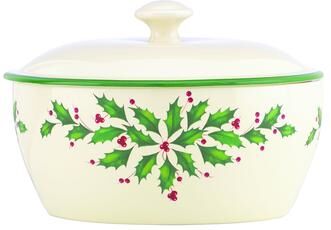
Lenox Hosting The Holidays Covered CasseroleThis Hosting the Holidays Casserole Dish is ideal for serving large dinner parties. Crafted of durable ivory porcelain, this spacious dish features a festive holly motif and comes with a matching lid.45,99 $*Shipping: 0,00 $Secure redirect to the provider
-
Lenox Hosting The Holidays Bread TrayWhether presenting an assortment of rolls or a buttery log of Texas toast, this festive ceramic Hosting the Holidays Bread Tray will not disappoint. The tray features a holly motif and is accented with 24-karat gold.44,49 $*Shipping: 0,00 $Secure redirect to the provider
-
How are Latin subjunctive subordinate clauses still translated with the subjunctive?
Latin subjunctive subordinate clauses are still translated with the subjunctive in English to convey the same sense of uncertainty, possibility, or doubt. In English, the subjunctive mood is used to express hypothetical or unreal situations, wishes, recommendations, or demands. Therefore, when translating Latin subjunctive subordinate clauses, the English subjunctive is used to maintain the same mood and meaning of the original Latin sentence. **
-
Perhaps, subjunctive or indicative?
The choice between subjunctive or indicative depends on the context of the sentence. The subjunctive mood is used to express hypothetical or uncertain situations, wishes, recommendations, or doubts. On the other hand, the indicative mood is used for statements of fact or certainty. Therefore, if the sentence is expressing a possibility, doubt, or desire, the subjunctive mood would be more appropriate. **
-
Maybe subjunctive or indicative?
The choice between subjunctive or indicative depends on the context of the sentence. The subjunctive mood is used to express doubt, uncertainty, desire, or hypothetical situations, while the indicative mood is used for statements of fact or certainty. To determine whether to use subjunctive or indicative, consider the verb's relationship to reality and whether it is expressing a fact or a possibility. **
-
Conditional, subjunctive or indicative?
The choice between conditional, subjunctive, or indicative mood depends on the context of the sentence. The conditional mood is used to express a hypothetical situation or a condition that is dependent on something else happening. The subjunctive mood is used to express wishes, recommendations, or possibilities. The indicative mood is used to state facts or ask questions. **
Similar search terms for Subjunctive
-
Scholastic Share Black Stories: Picture Book ProfilesThese three stories are tales of hope, courage, and inspiration.This set includes:Bessie the Motorcycle QueenI Am Ruby BridgesJust Like Jesse Owens Share Black Stories: Picture Book Profiles47,57 $*Shipping: 0,00 $Secure redirect to the provider
-
Stellar Stoneware Bantham Hosting For 4 SetIntroduce calm, contemporary style to your table with the Stellar Stoneware Bantham collection. Defined by smooth, modern contours and a soft green reactive glaze, each piece brings a fresh, artisan-inspired feel to everyday dining. Crafted from durable stoneware and fired for exceptional strength, the range offers excellent resistance to chipping and everyday wear. The naturally smooth glazed finish resists staining, cleans with ease, and provides a reassuringly balanced feel in hand. Its thick stoneware construction also enhances heat retention, helping dishes stay warmer for longer. Designed for modern living, every piece is microwave, dishwasher, and oven safe (up to 180°C), making the collection as practical as it is elegant—ideal for both daily use and relaxed entertaining. Set includes: 4 dinner plates, 4 side plates, 4x pasta bowls, 4 cereal bowls, 1x medium platter, 1x large platter and 1x serving bowl.199,95 £*Shipping: 0,00 £Secure redirect to the provider
-
Stellar Stoneware Bantham Hosting For 8 SetIntroduce calm, contemporary style to your table with the Stellar Stoneware Bantham collection. Defined by smooth, modern contours and a soft green reactive glaze, each piece brings a fresh, artisan-inspired feel to everyday dining. Crafted from durable stoneware and fired for exceptional strength, the range offers excellent resistance to chipping and everyday wear. The naturally smooth glazed finish resists staining, cleans with ease, and provides a reassuringly balanced feel in hand. Its thick stoneware construction also enhances heat retention, helping dishes stay warmer for longer. Designed for modern living, every piece is microwave, dishwasher, and oven safe (up to 180°C), making the collection as practical as it is elegant—ideal for both daily use and relaxed entertaining. Set includes: 8 dinner plates, 8 side plates, 8x pasta bowls, 8 cereal bowls, 1x medium platter, 1x large platter and 1x serving bowl324,95 £*Shipping: 0,00 £Secure redirect to the provider
-
Stellar Stoneware Mylor Hosting For 4 SetElevate everyday dining with the Stellar Stoneware Mylor collection, defined by its rich reactive glaze that gives each piece a subtly unique character. Blending warmth with understated style, Mylor brings a considered, artisanal touch to both casual meals and relaxed entertaining. Crafted from durable stoneware and fired for strength, each piece is designed to withstand daily use while maintaining its refined appearance. Plates and bowls are thoughtfully weighted for a balanced, comfortable feel in hand—offering reassuring sturdiness without compromising elegance. The thick stoneware construction also provides excellent heat retention, helping dishes stay warmer for longer. Designed for modern living, the collection is microwave and dishwasher safe, and suitable for oven use up to 180°C—ideal for everything from reheating to finishing dishes. Set includes: 4 dinner plates, 4 side plates, 4x pasta bowls, 4 cereal bowls, 1x medium platter, 1x large platter and 1x serving bowl.199,95 £*Shipping: 0,00 £Secure redirect to the provider
-
What is the use of the present subjunctive and the past subjunctive?
The present subjunctive is used to express desires, doubts, wishes, or hypothetical situations in the present or future. It is often used after certain verbs and conjunctions that indicate uncertainty or subjectivity. The past subjunctive, on the other hand, is used to express desires, doubts, wishes, or hypothetical situations in the past. It is often used in the same way as the present subjunctive, but in reference to past events or situations. Both subjunctive forms are used to convey uncertainty or subjectivity in a sentence. **
-
Are the subjunctive I and the subjunctive II present in all tenses?
No, the subjunctive I and subjunctive II are not present in all tenses. The subjunctive I is only present in the present tense, while the subjunctive II is present in the past tense. The subjunctive I is used to express wishes, suggestions, or hypothetical situations in the present, while the subjunctive II is used to express wishes, suggestions, or hypothetical situations in the past. Each tense has its own specific form of the subjunctive mood. **
-
'It is strange that + subjunctive'
It is strange that she should be so calm in such a chaotic situation. **
-
Would we use the subjunctive?
We would use the subjunctive mood in English to express wishes, hypothetical situations, recommendations, or demands. It is used to convey uncertainty, doubt, or desire. The subjunctive is typically used after certain verbs, expressions, or conjunctions that indicate these types of situations. **
* All prices are inclusive of VAT and, if applicable, plus shipping costs. The offer information is based on the details provided by the respective shop and is updated through automated processes. Real-time updates do not occur, so deviations can occur in individual cases. ** Note: Parts of this content were created by AI.