Buy bilder-hosting.eu ?
We are moving the project
bilder-hosting.eu .
Are you interested in purchasing the domain
bilder-hosting.eu ?
domain@kv-gmbh.de · 0541-91531010
Buy bilder-hosting.eu ?
What is alternating voltage and alternating current?
Alternating voltage is a type of electrical current where the flow of electricity periodically reverses direction. This results in a waveform that fluctuates between positive and negative values. Alternating current is the flow of electric charge that changes direction periodically. It is commonly used in household electrical outlets and is the type of electricity generated by power plants. **
What are examples of alternating current and alternating voltage?
Examples of alternating current include the electricity that powers our homes and businesses, as well as the electricity generated by power plants. Alternating voltage can be found in household appliances, such as refrigerators, air conditioners, and televisions, as well as in industrial machinery and equipment. Both alternating current and voltage are essential for the distribution and use of electrical power in our daily lives. **


Similar search terms for Alternating
Top-Angebote
Products related to Alternating:
-
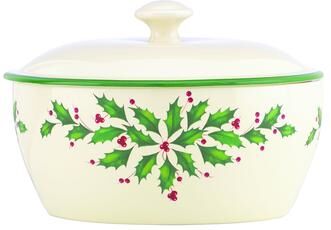
Lenox Hosting The Holidays Covered CasseroleThis Hosting the Holidays Casserole Dish is ideal for serving large dinner parties. Crafted of durable ivory porcelain, this spacious dish features a festive holly motif and comes with a matching lid.45,99 $*Shipping: 0,00 $Secure redirect to the provider
-
Lenox Hosting The Holidays Bread TrayWhether presenting an assortment of rolls or a buttery log of Texas toast, this festive ceramic Hosting the Holidays Bread Tray will not disappoint. The tray features a holly motif and is accented with 24-karat gold.44,49 $*Shipping: 0,00 $Secure redirect to the provider
-
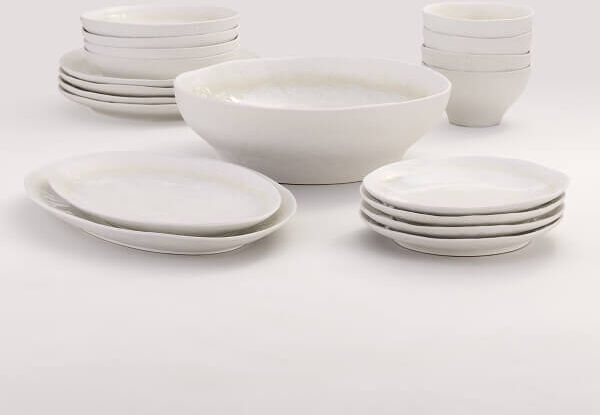
Stellar Stoneware Bantham Hosting For 4 SetIntroduce calm, contemporary style to your table with the Stellar Stoneware Bantham collection. Defined by smooth, modern contours and a soft green reactive glaze, each piece brings a fresh, artisan-inspired feel to everyday dining. Crafted from durable stoneware and fired for exceptional strength, the range offers excellent resistance to chipping and everyday wear. The naturally smooth glazed finish resists staining, cleans with ease, and provides a reassuringly balanced feel in hand. Its thick stoneware construction also enhances heat retention, helping dishes stay warmer for longer. Designed for modern living, every piece is microwave, dishwasher, and oven safe (up to 180°C), making the collection as practical as it is elegant—ideal for both daily use and relaxed entertaining. Set includes: 4 dinner plates, 4 side plates, 4x pasta bowls, 4 cereal bowls, 1x medium platter, 1x large platter and 1x serving bowl.199,95 £*Shipping: 0,00 £Secure redirect to the provider



-
What is the difference between alternating current and alternating voltage?
Alternating current (AC) refers to the flow of electric charge that periodically reverses direction, while alternating voltage refers to the changing voltage levels in an electrical circuit. AC is the type of current that flows through a circuit, while alternating voltage is the type of voltage that is applied to the circuit. In other words, AC is the movement of electric charge, while alternating voltage is the fluctuation in electric potential. **
-
Who developed alternating current?
Alternating current (AC) was developed by Nikola Tesla, a Serbian-American inventor, electrical engineer, and physicist. Tesla's work on AC power systems laid the foundation for the modern electrical grid and revolutionized the way electricity is generated, transmitted, and used. His development of AC technology was crucial in the "War of Currents" against Thomas Edison's direct current (DC) system, ultimately leading to the widespread adoption of AC as the standard for electrical power distribution. **
-
What is the difference between physics alternating current and alternating current effects?
Physics alternating current refers to the flow of electric charge that periodically reverses direction, typically used in electrical circuits. Alternating current effects, on the other hand, refer to the various phenomena and impacts of alternating current on different devices and systems. While physics alternating current describes the nature of the current itself, alternating current effects focus on how this type of current can be utilized or its consequences on different applications. **
-
How are alternating voltage and alternating current referred to as time-dependent quantities?
Alternating voltage and alternating current are referred to as time-dependent quantities because their magnitudes and directions change over time. In the case of alternating voltage, the polarity and magnitude of the voltage change periodically, while in the case of alternating current, the direction and magnitude of the current change periodically. This time-dependent nature is represented by sinusoidal waveforms for both quantities, with the voltage and current varying with time according to a specific frequency. This time-dependent behavior is a key characteristic of alternating voltage and current and is essential for understanding their behavior in electrical circuits. **

How is alternating current created?
Alternating current (AC) is created by using a device called a generator. In a generator, a coil of wire is rotated within a magnetic field, which induces a flow of electrons in the wire. As the coil rotates, the direction of the flow of electrons changes, resulting in a constantly changing current flow. This alternating current can then be used to power various electrical devices. **
How does alternating current move?
Alternating current (AC) moves by constantly changing direction, flowing back and forth in a circuit. This movement is created by the changing voltage in the power source, which causes the electrons to oscillate in a back-and-forth motion. As the voltage alternates between positive and negative, the electrons are pushed and pulled in opposite directions, resulting in the flow of current. This continuous change in direction allows AC to efficiently transmit electricity over long distances. **
Top-Angebote
Products related to Alternating:
-
Drop Dash Deals Premium Alternating Pressure Mattress Topper With Quiet Pump Hospital Bed Comfort & Pressure Relief Premium Alternating Pressure Mattress Topper With Quiet Pump Hospital Bed Comfort & Pressure ReliefRegain comfort, dignity, and restful rest whether youre caring for a loved one or managing long hours in bed. This 1 pc of alternating pressure mattress topper system brings therapeutic pressure redistribution right to home care, reducing prolonged...229,97 $*Shipping: 0,00 $Secure redirect to the provider
-
Pacific Pagoda 8.5 ft Patio Umbrella with Alternating Panels - Canvas Black/White Sunbrella - Ballard DesignsPatio umbrellas should do a lot more than offer welcome shade – they can set the tone for your entire outdoor living space. Our Pacific Pagoda 2-Tone Umbrella creates instant atmosphere in a playful pagoda-style silhouette with double-scalloped...1049,25 $*Shipping: 125,91 $Secure redirect to the provider
-
Lenox Hosting The Holidays Covered CasseroleThis Hosting the Holidays Casserole Dish is ideal for serving large dinner parties. Crafted of durable ivory porcelain, this spacious dish features a festive holly motif and comes with a matching lid.45,99 $*Shipping: 0,00 $Secure redirect to the provider
-
What is alternating voltage and alternating current?
Alternating voltage is a type of electrical current where the flow of electricity periodically reverses direction. This results in a waveform that fluctuates between positive and negative values. Alternating current is the flow of electric charge that changes direction periodically. It is commonly used in household electrical outlets and is the type of electricity generated by power plants. **
-
What are examples of alternating current and alternating voltage?
Examples of alternating current include the electricity that powers our homes and businesses, as well as the electricity generated by power plants. Alternating voltage can be found in household appliances, such as refrigerators, air conditioners, and televisions, as well as in industrial machinery and equipment. Both alternating current and voltage are essential for the distribution and use of electrical power in our daily lives. **
-
What is the difference between alternating current and alternating voltage?
Alternating current (AC) refers to the flow of electric charge that periodically reverses direction, while alternating voltage refers to the changing voltage levels in an electrical circuit. AC is the type of current that flows through a circuit, while alternating voltage is the type of voltage that is applied to the circuit. In other words, AC is the movement of electric charge, while alternating voltage is the fluctuation in electric potential. **
-
Who developed alternating current?
Alternating current (AC) was developed by Nikola Tesla, a Serbian-American inventor, electrical engineer, and physicist. Tesla's work on AC power systems laid the foundation for the modern electrical grid and revolutionized the way electricity is generated, transmitted, and used. His development of AC technology was crucial in the "War of Currents" against Thomas Edison's direct current (DC) system, ultimately leading to the widespread adoption of AC as the standard for electrical power distribution. **
Similar search terms for Alternating
-
Lenox Hosting The Holidays Bread TrayWhether presenting an assortment of rolls or a buttery log of Texas toast, this festive ceramic Hosting the Holidays Bread Tray will not disappoint. The tray features a holly motif and is accented with 24-karat gold.44,49 $*Shipping: 0,00 $Secure redirect to the provider
-
Stellar Stoneware Bantham Hosting For 4 SetIntroduce calm, contemporary style to your table with the Stellar Stoneware Bantham collection. Defined by smooth, modern contours and a soft green reactive glaze, each piece brings a fresh, artisan-inspired feel to everyday dining. Crafted from durable stoneware and fired for exceptional strength, the range offers excellent resistance to chipping and everyday wear. The naturally smooth glazed finish resists staining, cleans with ease, and provides a reassuringly balanced feel in hand. Its thick stoneware construction also enhances heat retention, helping dishes stay warmer for longer. Designed for modern living, every piece is microwave, dishwasher, and oven safe (up to 180°C), making the collection as practical as it is elegant—ideal for both daily use and relaxed entertaining. Set includes: 4 dinner plates, 4 side plates, 4x pasta bowls, 4 cereal bowls, 1x medium platter, 1x large platter and 1x serving bowl.199,95 £*Shipping: 0,00 £Secure redirect to the provider
-
Stellar Stoneware Bantham Hosting For 8 SetIntroduce calm, contemporary style to your table with the Stellar Stoneware Bantham collection. Defined by smooth, modern contours and a soft green reactive glaze, each piece brings a fresh, artisan-inspired feel to everyday dining. Crafted from durable stoneware and fired for exceptional strength, the range offers excellent resistance to chipping and everyday wear. The naturally smooth glazed finish resists staining, cleans with ease, and provides a reassuringly balanced feel in hand. Its thick stoneware construction also enhances heat retention, helping dishes stay warmer for longer. Designed for modern living, every piece is microwave, dishwasher, and oven safe (up to 180°C), making the collection as practical as it is elegant—ideal for both daily use and relaxed entertaining. Set includes: 8 dinner plates, 8 side plates, 8x pasta bowls, 8 cereal bowls, 1x medium platter, 1x large platter and 1x serving bowl324,95 £*Shipping: 0,00 £Secure redirect to the provider
-
Stellar Stoneware Mylor Hosting For 4 SetElevate everyday dining with the Stellar Stoneware Mylor collection, defined by its rich reactive glaze that gives each piece a subtly unique character. Blending warmth with understated style, Mylor brings a considered, artisanal touch to both casual meals and relaxed entertaining. Crafted from durable stoneware and fired for strength, each piece is designed to withstand daily use while maintaining its refined appearance. Plates and bowls are thoughtfully weighted for a balanced, comfortable feel in hand—offering reassuring sturdiness without compromising elegance. The thick stoneware construction also provides excellent heat retention, helping dishes stay warmer for longer. Designed for modern living, the collection is microwave and dishwasher safe, and suitable for oven use up to 180°C—ideal for everything from reheating to finishing dishes. Set includes: 4 dinner plates, 4 side plates, 4x pasta bowls, 4 cereal bowls, 1x medium platter, 1x large platter and 1x serving bowl.199,95 £*Shipping: 0,00 £Secure redirect to the provider
-
What is the difference between physics alternating current and alternating current effects?
Physics alternating current refers to the flow of electric charge that periodically reverses direction, typically used in electrical circuits. Alternating current effects, on the other hand, refer to the various phenomena and impacts of alternating current on different devices and systems. While physics alternating current describes the nature of the current itself, alternating current effects focus on how this type of current can be utilized or its consequences on different applications. **
-
How are alternating voltage and alternating current referred to as time-dependent quantities?
Alternating voltage and alternating current are referred to as time-dependent quantities because their magnitudes and directions change over time. In the case of alternating voltage, the polarity and magnitude of the voltage change periodically, while in the case of alternating current, the direction and magnitude of the current change periodically. This time-dependent nature is represented by sinusoidal waveforms for both quantities, with the voltage and current varying with time according to a specific frequency. This time-dependent behavior is a key characteristic of alternating voltage and current and is essential for understanding their behavior in electrical circuits. **
-
How is alternating current created?
Alternating current (AC) is created by using a device called a generator. In a generator, a coil of wire is rotated within a magnetic field, which induces a flow of electrons in the wire. As the coil rotates, the direction of the flow of electrons changes, resulting in a constantly changing current flow. This alternating current can then be used to power various electrical devices. **
-
How does alternating current move?
Alternating current (AC) moves by constantly changing direction, flowing back and forth in a circuit. This movement is created by the changing voltage in the power source, which causes the electrons to oscillate in a back-and-forth motion. As the voltage alternates between positive and negative, the electrons are pushed and pulled in opposite directions, resulting in the flow of current. This continuous change in direction allows AC to efficiently transmit electricity over long distances. **
* All prices are inclusive of VAT and, if applicable, plus shipping costs. The offer information is based on the details provided by the respective shop and is updated through automated processes. Real-time updates do not occur, so deviations can occur in individual cases. ** Note: Parts of this content were created by AI.